
In short: air source heat pumps work well in Scottish homes and run efficiently in temperatures as low as -20°C. Installation typically costs around £13,000 before grants. The Home Energy Scotland Grant and Loan offers up to £7,500 in grant funding plus up to £7,500 as an interest-free loan, with an extra £1,500 for eligible rural and island homes. Greener Energy Group is an MCS-certified installer and Grant trusted partner covering Scotland and North East England.
Heat Pumps in Scotland: Warm Homes, Lower Bills, Smaller Footprint
Heat pumps work in Scottish winters. Modern air source heat pumps operate efficiently in temperatures as low as -20°C, extracting heat energy from outside air even when it feels bitterly cold. If you’re heating a home in Scotland with a gas boiler, oil boilers, or LPG and wondering whether a new heat pump can handle a January night in Inverness or a February frost in Stirling, the answer is straightforward: a well designed heat pump, paired with proper insulation, keeps your home warm while using less energy than combustion-based heating systems.
Greener Energy Group installs air source heat pumps across Scotland and North East England. Since 2014, and with over 30 years of combined experience in the team, we’ve focused on designing systems matched to Scottish weather conditions and housing stock, from Central Belt semis to Highland stone cottages and island homes. A heat pump uses 1 kWh of electricity to extract 3-4 kWh of heat, which means your central heating system runs on a fraction of the fuel energy a conventional boiler consumes.
Here’s what installing a heat pump in Scotland delivers:
- A warmer home. Heat pumps maintain a consistent comfortable temperature across the home, replacing the stop-start cycling of a boiler with steady background warmth.
- Lower running costs. Switching to a heat pump from a traditional boiler can provide energy bill savings, with high-performing systems saving up to £170 per year compared to mains gas.
- A smaller carbon footprint. Heat pumps reduce carbon emissions compared to traditional heating systems, helping Scotland meet its decarbonising heat targets.
Request a free home energy survey and quote to find out whether a heat pump suits your property. This no-obligation assessment is the fastest way to get a personalised answer, covering your home’s heat loss, grant eligibility, and projected running costs.
Why Scotland Homeowners Trust Greener Energy Group for Heat Pumps
Greener Energy Group is a heat pump specialist, not a general plumber who occasionally fits renewable systems. Every installation we complete is designed around Scotland’s climate, housing types, and available financial support.
- Operating since 2014, with MCS certification (Microgeneration Certification Scheme) for heat pump installations
- Octopus Trusted Partner and Cosy Accredited Installer
- Coverage spanning the Central Belt, Highlands, Islands, and North East England
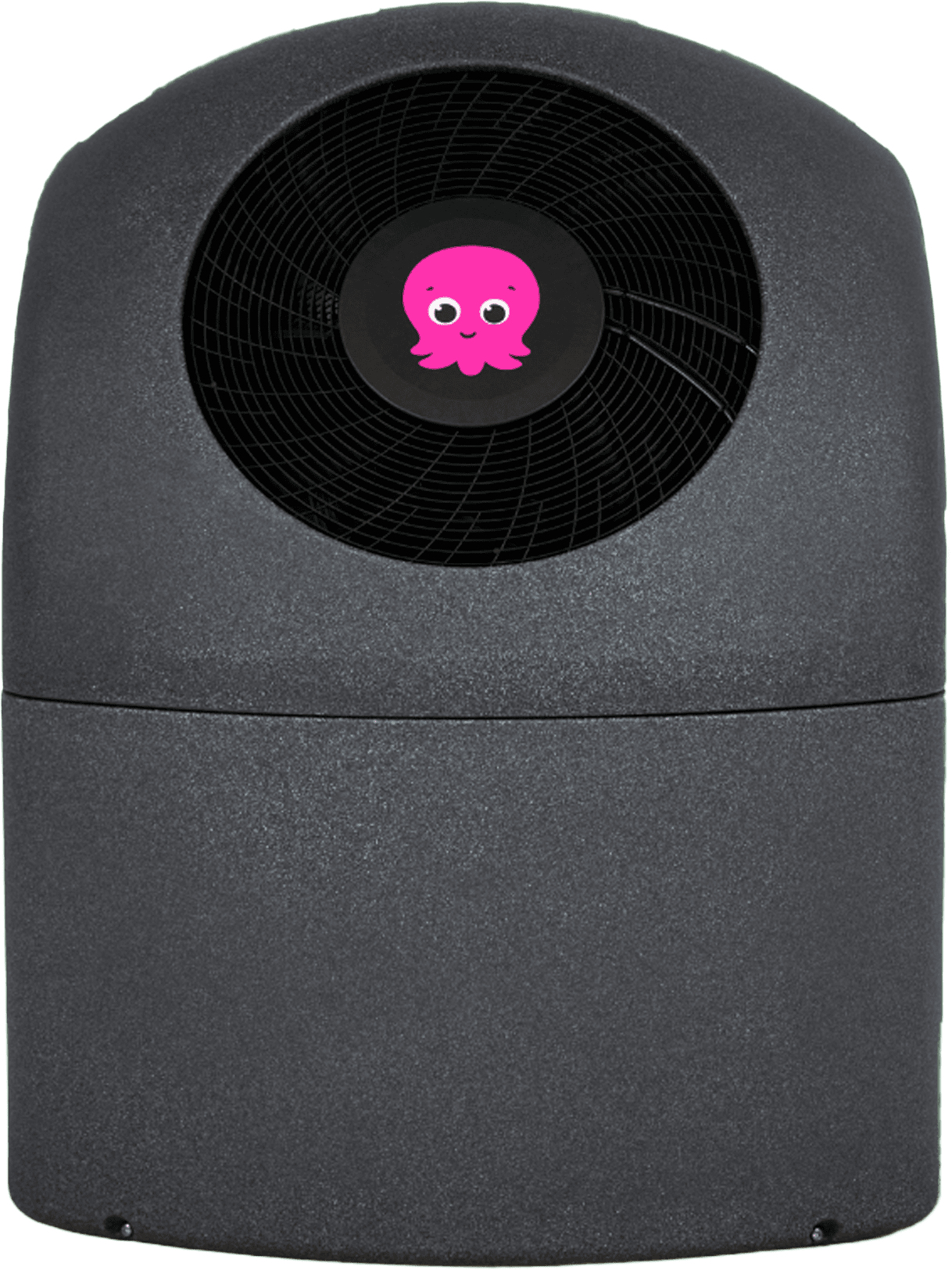
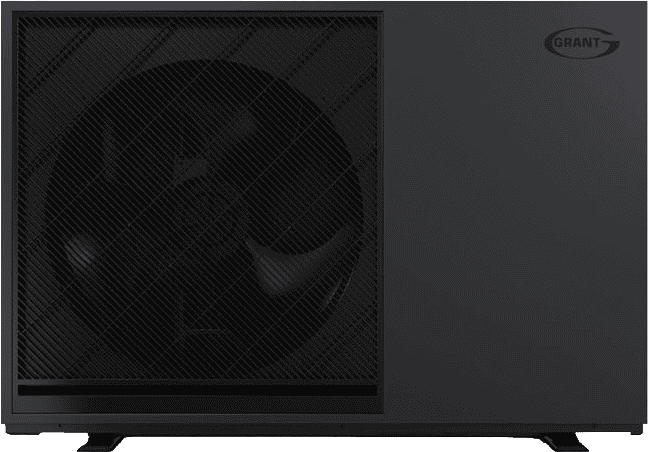
- Grant Trusted Partner, installing the Grant Aerona R290 air source heat pump range, alongside Octopus Cosy heat pumps
- All installs designed to meet Scottish building regulations and planning permission requirements
Every system we install qualifies for the Home Energy Scotland Grant because we use only MCS-approved products and certified installers.
Book your free home heat pump assessment by calling us or completing the online enquiry form.
Why Choose Greener Energy Group for Heat Pumps in Scotland
The difference between a heat pump that performs well and one that underperforms comes down to three things: system design, installation quality, and ongoing support. A large-scale UK study of around 1,700 metered installations found the median Seasonal Coefficient of Performance (SPF) for air source heat pumps was 2.69, against a design SCOP of 3.59. That gap of nearly 0.9 points traces back to poor design, incorrect sizing, and inadequate controls. Our process is built to close that gap.
- System design for Scottish homes and weather. We size radiators, pipework, and hot water cylinder capacity for older housing stock (tenements, stone cottages, ex-council homes), where heat loss is higher and existing radiators are often undersized. This delivers more consistent warmth and higher heat pump performance across the heating season.
- Grant and finance guidance. We handle the paperwork for the Home Energy Scotland Grant and Loan (up to £7,500 grant plus up to £7,500 interest free loan), including the rural and island uplift of £1,500. You get a clear breakdown of upfront cost and payback before committing.
- Integration with solar panels and battery storage. Pairing a heat pump with solar PV and a smart tariff like Cosy Octopus means you run your heating on cheaper or self-generated electricity, cutting energy bills further.
- One point of contact from survey to aftercare. We manage the full project: survey, design, installation, commissioning, warranty registration, and servicing. You don’t coordinate between separate trades.
Our Heat Pump Services in Scotland
Greener Energy Group specialises in air source heat pumps for Scottish domestic properties, along with energy efficiency improvements that make heat pumps perform at their best. Below is a breakdown of what we offer so you can find the service that fits your situation.
Air Source Heat Pump Installation for Scottish Homes
Our core service is air-to-water heat pump installation, providing both space heating (via radiators or underfloor heating) and hot water from a single system.
Typical use cases include:
- Replacing a gas boiler in a Central Belt semi-detached home with no gas supply issues but high energy bills
- Swapping oil boilers in a rural detached property off the mains gas grid
- Fitting low carbon heating systems in new-build homes to comply with Scotland’s New Build Heat Standard (mandatory from April 2024)
Air source heat pumps extract heat from the outside air even at 0°C; in milder conditions, ASHPs run at a COP of 3 to 4. Heat pump efficiency is measured by the Seasonal Coefficient of Performance (SCOP), which averages performance across the full year. Every installation includes a detailed survey, room-by-room heat loss calculations, system design, full installation, and commissioning.
The result: steady warmth throughout the day, quieter operation than a boiler (modern units typically run under 42 decibels), and lower carbon emissions.
Heat Pump Upgrades, Replacements and System Optimisation
If you already have a heat pump that isn’t performing as expected, or you’re replacing an ageing boiler with something more energy efficient, we can help.
Services include upgrading undersized radiators so the system can run at a lower flow temperature (which raises SCOP), improving controls by adding weather compensation, and flushing and balancing pipework. We also check for Scottish-specific issues: frost protection on external pipework, lagging in exposed locations, and noise considerations for dense urban areas where neighbours are close.
Poor design and incorrect commissioning are the primary reasons heat pumps underperform. The ClimateXChange evidence review confirms that much of the gap between rated and actual performance traces to sub-optimal controls and inappropriate system sizing, not the Scottish climate itself.
Heat Pumps with Solar Panels and Battery Storage
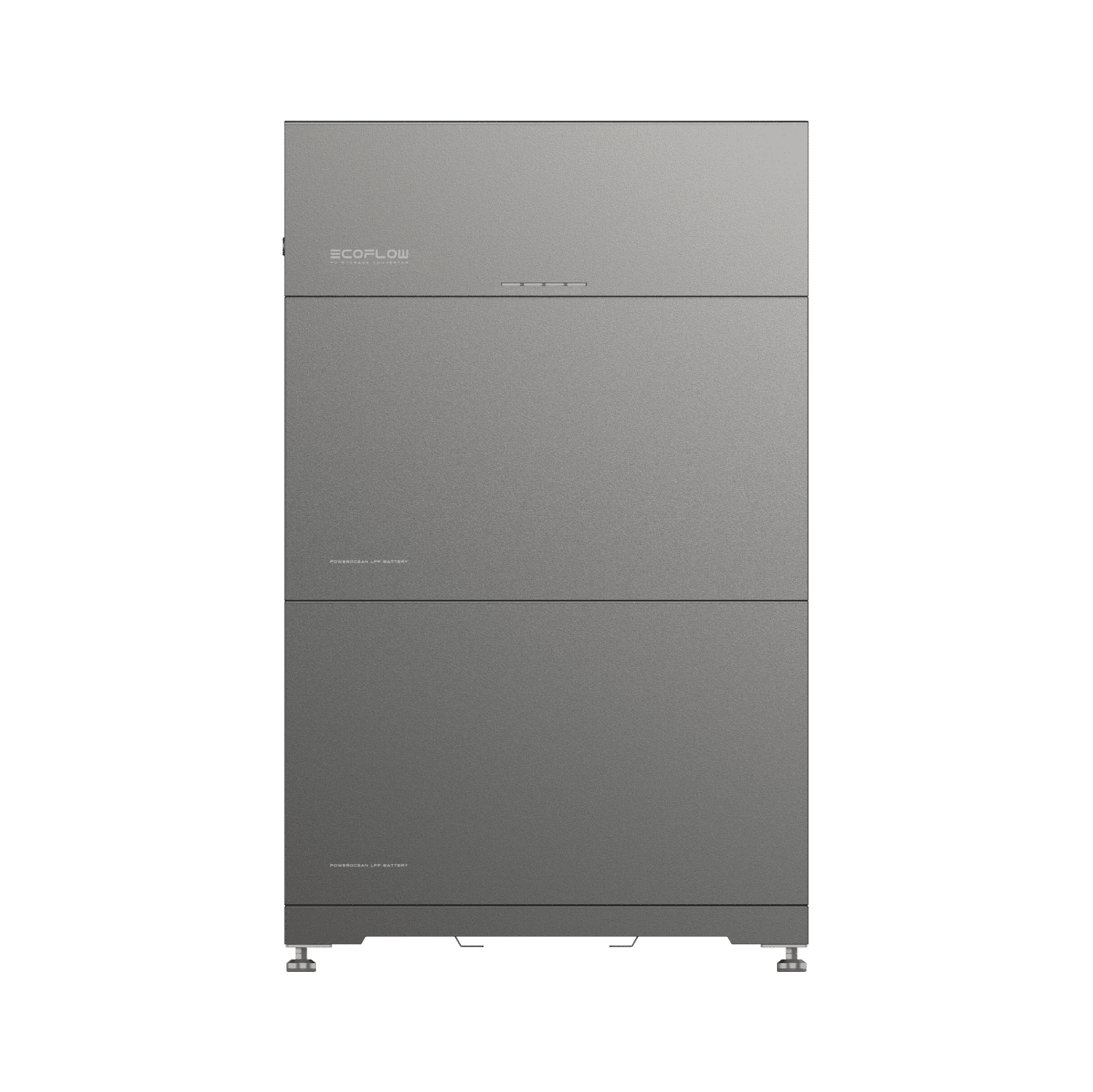
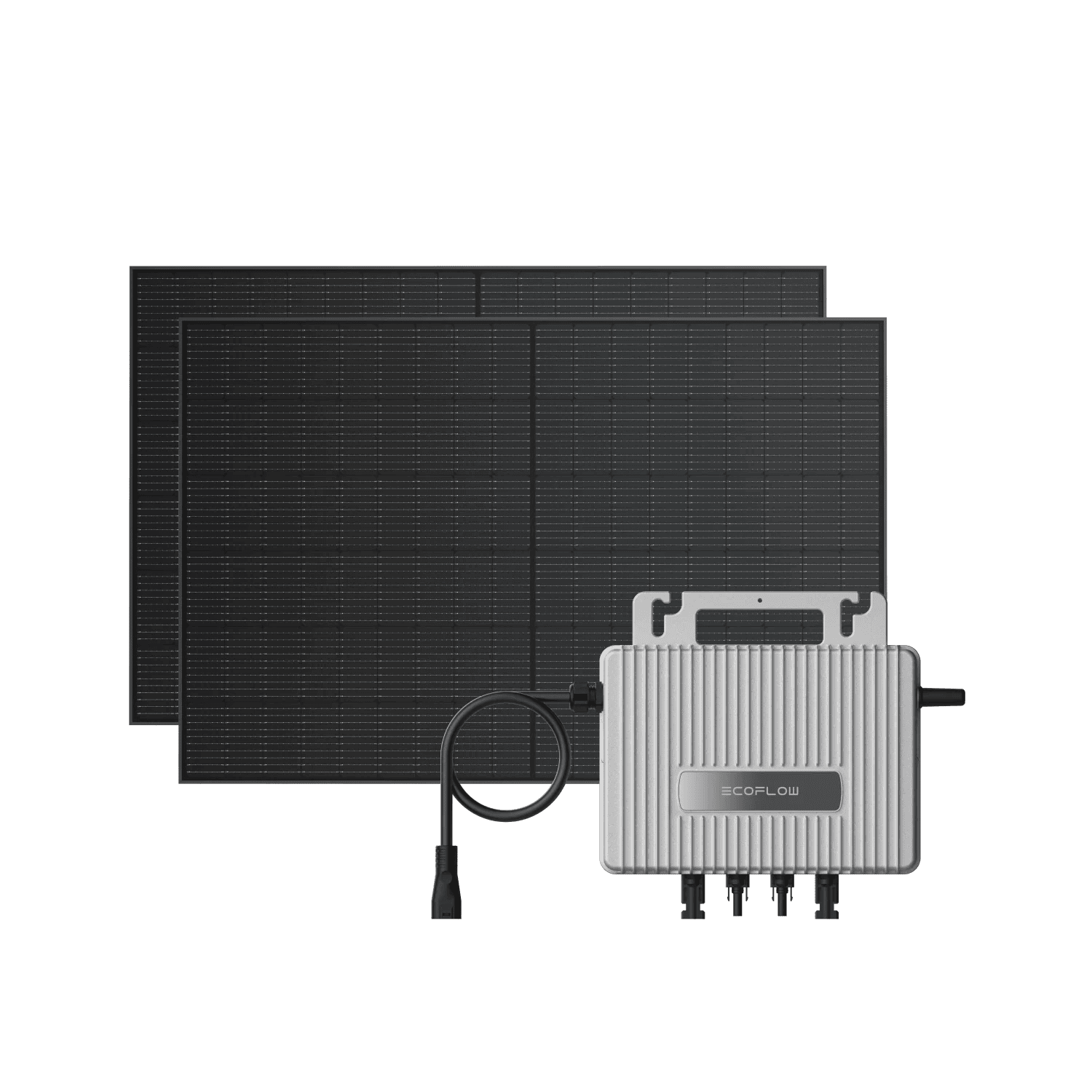
Combining a heat pump with solar PV and battery storage reduces running costs by shifting electricity consumption to self-generated or cheaper-tariff periods. In a typical Scottish setup, a 3-6 kWp solar system plus a home battery charges during daylight hours or during Cosy Octopus off-peak windows, then powers the heat pump when the tariff is higher.
Greener Energy Group designs integrated systems with monitoring and smart controls. We can set up manufacturer apps, Hive, or Octopus integrations so your heating responds to both weather and electricity price. The outcome is increased energy independence, protection against rising tariffs, and a further reduction in your carbon footprint. Read more about how solar battery storage can save up to 70% on energy bills.
Grant Support and Free Home Energy Assessments
The Scottish Government offers substantial funding for heat pump installations. Grants of up to £7,500 are available for installing heat pumps in Scotland through the Home Energy Scotland Grant and Loan scheme. Homeowners can receive up to £16,500 when combining grants and interest free loans. Scottish Government grants for heat pumps can reach £9,000 for rural and island homes qualifying for the £1,500 uplift. The Warmer Homes Scotland programme offers fully funded energy improvements for eligible households. Local councils run area-based schemes for heat pump funding, and the Social Housing Net Zero Heat Fund supports social landlords.
Our free home assessment covers heat loss calculations, energy performance certificate review, current heating costs, roof and outdoor space checks for the external unit, and funding eligibility. The assessment is no-obligation and results in a written proposal with system size, estimated bills, and a grant/loan breakdown.
How Our Heat Pump Installation Process Works
Knowing what happens at each stage helps you feel confident about the process and timeline.
Step 1: Enquiry and Home Heat Survey
Get in touch by phone or online form. We’ll ask for your address, current heating fuel (gas, oil, LPG, direct electric), property type, and postcode to check rural eligibility. An engineer then visits your home to measure rooms, check insulation levels, assess existing radiators and consumer unit capacity, and identify outdoor space for the external unit.
During this visit, we also discuss financial support options, including the Scotland Grant and Loan, rural uplifts for eligible areas, and estimated timelines for installation.
Step 2: System Design, Quote and Installation
Our engineers complete room-by-room heat loss calculations and specify the right air source heat pump model, hot water cylinder, and any radiator or underfloor heating upgrades needed. Proper installation is crucial for air source heat pump efficiency; an undersized system struggles in cold weather, while an oversized one short-cycles and wastes electricity.
Your quote is itemised: equipment costs, labour, expected SCOP, estimated running costs compared with your current fuel, and grant/loan deductions. Installation typically takes 2-4 days depending on property size and the extent of pipework changes. We use dust sheets, keep hot water downtime to a defined window, and let you know how long heating will be off.
Step 3: Handover, Support and Aftercare
Commissioning includes system testing, setting weather compensation curves calibrated to Scottish climate conditions, and checking noise levels at the property boundary. We walk you through controls, recommended temperature settings, and how to use smart apps (Hive, manufacturer controls, Octopus integrations).
Warranty registration covers the manufacturer warranty (typically 5-10 years) plus our workmanship guarantee. A well-maintained heat pump can last around 20 years or longer, and we offer annual services and servicing packages. Support is available year-round; during your first winter, we can fine-tune settings to make sure the system delivers the comfort and efficiency it was designed for.
Real-World Results from Heat Pumps in Scotland
Heat pump performance in actual Scottish homes matters more than manufacturer brochure figures. The Heat Pump Plus Project monitored systems across Scotland and found air-to-water heat pumps achieving COP values between 2.0 and 3.0, while ground source heat pumps reached COP values between 4.0 and 5.0.
Here are the types of projects we work on across Scotland:
Central Belt semi-detached, switching from gas. A typical 1980s semi heated by a gas boiler spends around £1,200-£1,400 per year on gas and electricity. A medium-performing heat pump saves around £80 annually; a high-performing heat pump can save £170 per year. Switching from gas can also eliminate standing charges of £128 yearly if the gas supply is disconnected. Air source heat pumps cost around £750-£850 annually for energy in a well insulated home of this type.
Rural off-gas stone cottage, switching from oil. Oil-heated properties often see larger savings because oil prices per kWh are higher. One case study from Heat Pumps Scotland documented a home that replaced an oil-fired AGA, upgraded all radiators, and added solar PV; the household reported fuel bill reductions of around 70%. High-performing heat pumps reduce costs compared to oil heating, especially when paired with solar panels and battery storage.
Highland or island property with solar PV and battery. Combining a heat pump with solar and battery storage provides resilience against grid price volatility. Rural and island homes qualify for the additional £1,500 rural uplift grant, making the investment more accessible despite higher logistics costs.
Read more about what to look for in a heat pump installer.
Areas We Serve for Heat Pumps in Scotland
Greener Energy Group focuses on Scotland and the North East of England. This page covers our Scottish service areas.
- Central Belt: Glasgow, Edinburgh, Falkirk, Stirling, Livingston and surrounding areas (Edinburgh installations | Glasgow installations)
- West and South West: Ayrshire, Renfrewshire, Lanarkshire, Dumfries and Galloway
- East: Fife, Dundee, Perth, Angus, Aberdeen and Aberdeenshire
- North and Highlands: Inverness, Moray, Highlands, Argyll, and parts of the Islands where practical (availability depends on ferry access and scheduling)
Coverage can expand or be limited based on engineer availability. Confirm your area during the enquiry by providing your postcode.
Frequently Asked Questions About Heat Pumps in Scotland
These are the questions Scottish homeowners ask before booking a survey. Each answer covers the key factors with plain language.
Do heat pumps really work in Scottish winters, even below 0°C?
Yes. Modern air source heat pumps operate efficiently down to -20°C. Air source heat pumps extract heat even at 0°C; performance (measured as COP) drops as the temperature falls, but annual SCOP remains viable across Scotland. Scottish winters are milder than Scandinavian winters, where heat pumps are standard. Air source heat pumps can achieve a COP of 4 in milder conditions. What matters more than outside temperature is proper insulation and correct system sizing. Greener Energy Group specifies models proven in cold climates and designs installations around your home’s actual heat loss. Read our guide to how heat pumps work for a detailed explanation.
How much does a heat pump cost to install in Scotland?
An air-to-water air source heat pump installation typically costs around £13,000 before grants. After applying the Home Energy Scotland Grant, homeowners have paid around £5,500 in some cases. Ground source heat pumps cost around £34,000 before the grant and approximately £26,500 after. Air to air systems are cheaper (around £3,700) but are not always eligible for grant funding because they may not provide 100% of a dwelling’s heating and hot water.
Final price depends on property size, heat loss, required radiator upgrades, hot water cylinder replacement, and electrical works. An accurate quote follows a detailed survey, not an online estimate.
What Scottish grants and loans are available for heat pumps right now?
The Home Energy Scotland Grant and Loan provides up to £7,500 grant plus up to £7,500 interest free loan for clean heating systems like heat pumps. Rural and island homes receive an additional £1,500 uplift on the grant. The Warmer Homes Scotland programme offers fully funded energy improvements for eligible households. Local councils run area-based schemes, and the Social Housing Net Zero Heat Fund supports social landlords retrofitting non domestic buildings and social housing.
Eligibility requires that you are a homeowner in Scotland, the property is your primary residence, and the system is installed by MCS-certified installers using MCS-approved products. We handle the application paperwork. Check our funding page for current scheme details.
Will a heat pump save me money on energy bills in Scotland?
Savings depend on your current fuel, the heat pump’s SCOP, your electricity tariff, and your home’s insulation level. Homes on mains gas can expect annual savings of £80 to £170 for a semi-detached property. Homes currently using oil or LPG tend to see larger savings because those fuels cost more per unit of heat. Heat pumps can achieve a Coefficient of Performance of 4, meaning each unit of electricity produces up to four units of heat.
Pairing a heat pump with solar panels, battery storage, and a smart tariff like Cosy Octopus increases savings further. Homes require proper insulation for heat pumps to operate efficiently; a well insulated home gets more heat for less energy. Use our free assessment to see projections based on your actual property and energy use.
Is my home suitable for a heat pump?
Key factors include outdoor space for an external unit, space indoors for a hot water cylinder, sufficient electrical capacity at the consumer unit, insulation level, and any planning permission constraints for flats or listed buildings. There are three types of heat pumps: air source, ground source, and water source. Water source heat pumps extract heat from stable bodies of water like lochs or rivers, but air source is the most common choice for Scottish homes.
Many older Scottish properties can be adapted. Radiator upgrades, loft and wall insulation, and draught-proofing all improve suitability. Hybrid heat pumps combine a heat pump with an existing gas or oil boiler for properties where a full switchover isn’t yet practical. We assess all of this during the survey.
How noisy is a heat pump and will it bother my neighbours?
Heat pumps are designed to operate quietly, typically under 42 decibels. That’s comparable to a refrigerator running. Correct positioning away from bedroom windows and neighbouring boundaries, anti-vibration mounts, and selecting low-noise models make them suitable for dense urban areas, terraces, and tenements. We design every installation to comply with local noise guidelines and planning rules.
What maintenance does a heat pump need and how long will it last?
Homeowner checks are simple: keep the area around the outdoor unit clear of leaves and debris, and make sure airflow isn’t blocked. Professional servicing is recommended annually. A well-maintained heat pump can last around 20 years or longer. Greener Energy Group provides annual services and warranty support across Scotland. Check our FAQ page for more maintenance details.
Get Started with a Heat Pump in Scotland
A heat pump sized and installed for Scottish conditions delivers reliable heating through winter, cuts carbon emissions, and reduces your energy bills, especially when combined with insulation, solar PV, and the right tariff. Grants of up to £7,500 (or more with rural uplift) bring the upfront cost within reach for most homeowners.
Book your free home heat pump survey and quote with Greener Energy Group. We’ll assess your property, calculate your heat loss, check your grant eligibility, and give you a clear written proposal with real numbers.
Greener Energy Group · 03335 77 66 99 · info@greenerenergygroup.co.uk · Serving homes across Scotland and North East England
Grant criteria and funding allocations change; booking your survey now means you can secure current rates and have your system installed before next winter.