In short: the main advantages of solar panels are lower electricity bills, Smart Export Guarantee payments for surplus power, protection against rising energy prices and a smaller carbon footprint. The main disadvantages are the upfront cost, little or no output at night (solved with battery storage), the roof space needed, and the fact that the system stays with the house if you move.
Updated November 2026
Discover the potential of solar energy: this guide offers a comprehensive analysis of the benefits and challenges of solar panel systems for homeowners.
Key Takeaways:
- Solar panels provide a significant reduction in electricity bills and contribute to environmental sustainability.
- Initial costs and dependence on weather and location are notable drawbacks.
- Solar energy offers a renewable, low-maintenance power source with potential government incentives.
- Ideal for long-term homeowners seeking energy independence and reduced carbon footprint.
Today, more and more homeowners realise the advantages of a solar panel system installation in their home.
However, many people find themselves overwhelmed with the wide variety of information available, making it difficult to decide whether or not it would be beneficial to install solar panels. The best thing you can do in this situation is arm yourself with knowledge about the advantages and disadvantages of solar power to make a decision.
Q: What are the key considerations for installing a solar panel system?
A: Key considerations include understanding the benefits, such as reduced electric bills and environmental impact, and challenges, such as initial costs and location dependency. Deciding to install solar panels requires balancing these factors based on individual circumstances and long-term plans.
We cover exactly that for you in this post! Let us give you a complete list of the pros and cons of setting up a solar power source. In the end, we hope that you’ll have the information to make the best decision about whether or not install and use a solar energy system.
Solar Energy Overview
Before we dive into the pros and cons of solar energy, it’s a good idea to have a quick overview about this energy source first.
The sun serves as a powerful energy source. In fact, it is thought that the solar power provided by the sun to our planet can meet our global energy demands every year. One of the best ways to collect a fraction of this solar energy is to install solar panels or a residential solar power system to generate electricity.
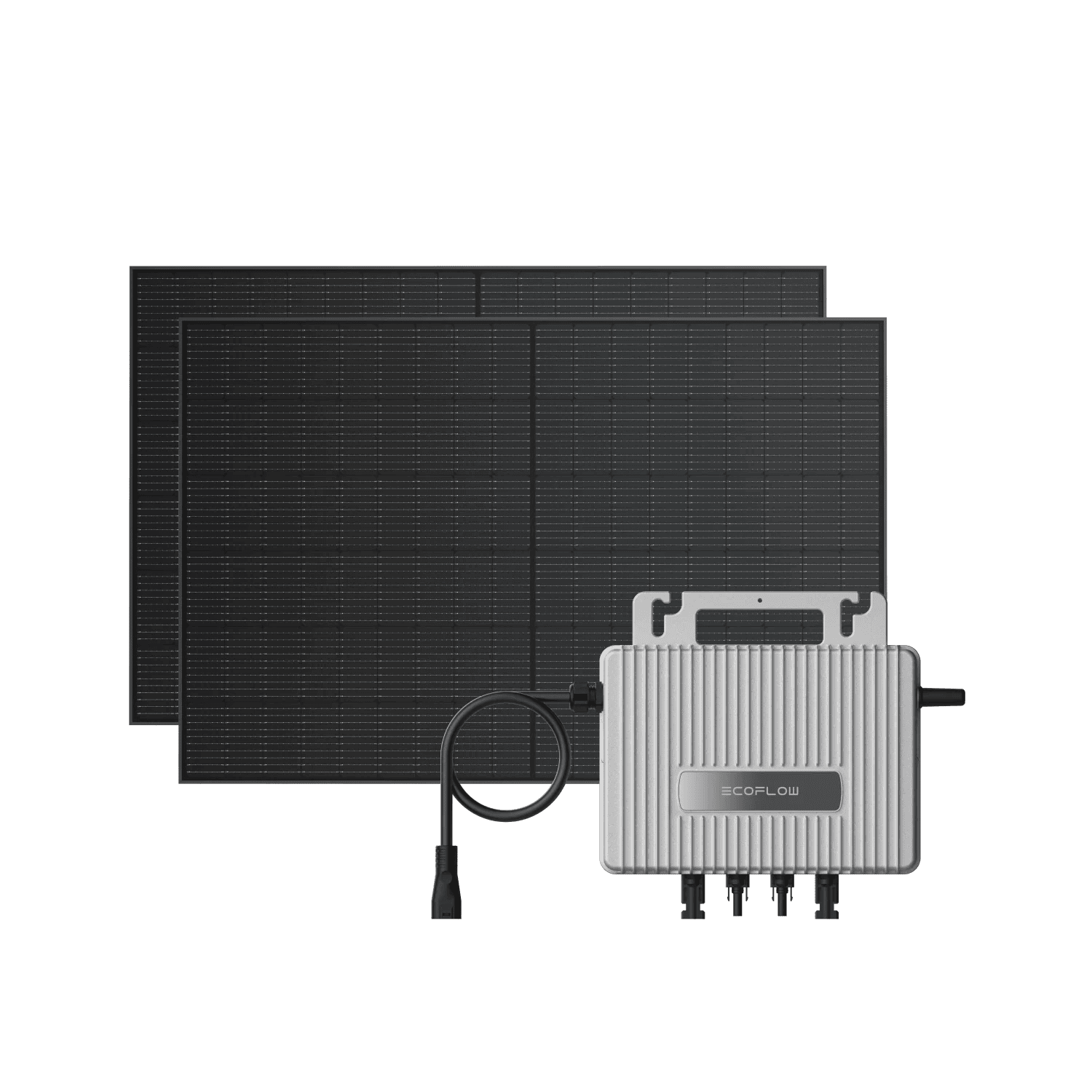
Solar energy produces the necessary power after being taken in through solar panels. These solar panels come with solar cells, and panels convert sunlight to convert solar energy into usable electricity. Solar cells need daylight to produce power, and direct sunlight can help boost output, but not necessarily a bright sunny day!
We’ve written a more detailed guide about how solar panels work which you should check out.
What are the Advantages and Disadvantages of Solar Energy?
When considering a solar panels installation, it is essential for you to take a look at the pros and cons of solar energy.
Before going into more detail on each pro and con, let’s first look at a list of some of the notable pros and cons of using solar energy:
Pros of Solar Energy:
Solar panel installation comes with a number of benefits. Some advantages of solar energy include:
- Reduced energy bills
- Insurance against rising electricity prices
- Cheaper power source
- Return on investment
- Environmentally friendly, supporting clean energy
- Energy independence by generating your own electricity
Cons of Solar Energy:
Ok, so we’ve looked at the solar energy advantages, it’s time for you to get familiar with the solar power disadvantages and broader solar energy disadvantages.
As with everything, there are disadvantages of solar which include:
- High upfront cost
- Intermittent energy source
- Uses a lot of space
- Small amount of pollution during manufacture, transport and installation, which can raise environmental concerns
- Not ideal if you plan on moving house
- Location of solar cells
Let’s take a more detailed look at each of the advantages and disadvantages of installing solar energy system:
Advantages of Using Solar Energy
Reduced Electric Bill
Your monthly electric bills will fall because solar can save money on energy bills by reducing what you need to buy from the grid. Besides, you have a chance to receive payments through the Smart Export Guarantee for the surplus energy exported back to the grid.
Insurance
Over the past 10 years, rising electricity prices have been a steady concern. Installing solar panels can protect against rising power costs. That is because you do not buy power from the utility company in the same way, since you can produce your own power. So, insurance against the rising electricity cost is one of the notable solar energy advantage.
Return on Investment
Other than reducing electric bill, solar power can also be a great source of income. Through the Smart Export Guarantee, you can earn money by selling the solar panels’ excess energy. The money you get from export payments, together with power bill savings and financial incentives, can offset upfront costs and help pay back the cost of the system.
Renewable Energy
Solar power is a renewable and sustainable energy source. It is available everyday and can be harnessed in different parts of the world. Unlike other sources of energy, solar energy will not run out. As long as there is the sun, solar energy is accessible for us, unlike fossil fuels.
Environmentally Friendly
When it comes to choosing the type of energy source to be installed in your home, the environment is an important deciding factor. Solar panels cause very little climate-health issues. The energy they produce does not create direct greenhouse gas emissions. They also reduce the greenhouse effect and help cut carbon emissions.
Energy Independence
If you get solar panels, then it means that you have a chance to generate your own electricity. So, you can take advantage of energy independence. You do not need to be dependent or rely on the national grid. You have control over your energy source.
Disadvantages of Using Solar Energy
High Initial Cost
One of the disadvantages of solar power is that it requires a high initial investment, with significant upfront costs for purchase and installation. This includes wiring, batteries, inverter, and solar panels.
The cost of solar energy systems varies depending on where you live, but government incentives and other financial incentives can reduce those upfront costs. On the bright side, some companies like ours offer solar financing options.
Intermittent Energy Source
Being an intermittent energy source is another drawback of solar energy. At night, the sun does not shine, so the panels cannot produce electricity and you may need to rely on grid power when solar output is low. Depending on your location, time of the day, and even time of the year, the sun’s intensity varies. The amount of energy produced is affected by factors like snow, cloud, and foliage cover. There is a simple solution around this – add energy storage with your solar panels.
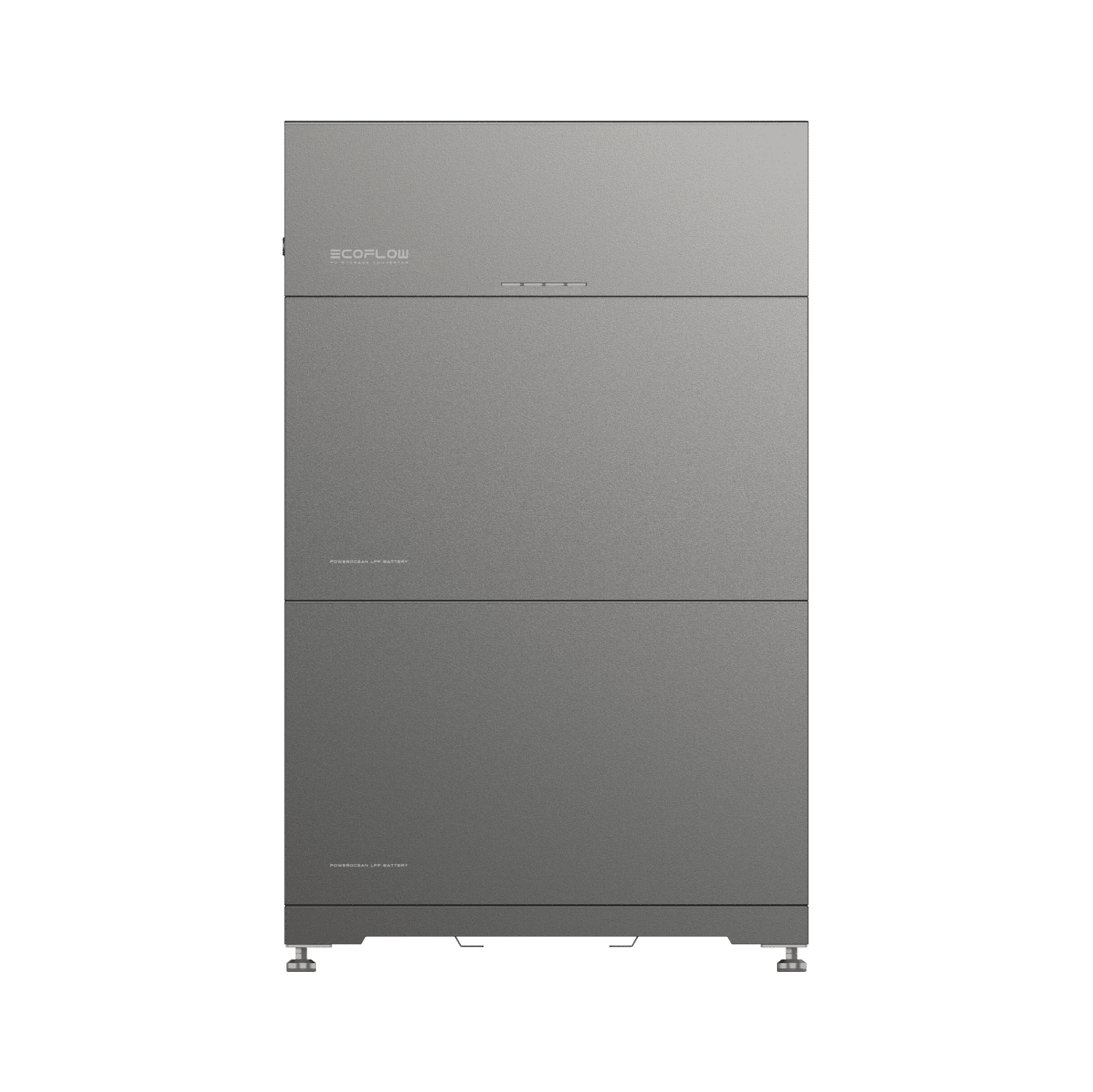
Our solar panel systems come with solar batteries installed if requested (recommended for places like Scotland where the sun can be patchy), and modern battery technology can store solar energy for later use to help provide a continuous power supply.
Uses A Lot of Space
If you want to produce more electricity, solar panels require more roof or ground space to collect more sunlight. Compared to fossil fuels, solar panels have lower power density for electricity generation. A larger area for solar panels is needed for similar amounts of energy production. Bear in mind, this only takes into account your property. The amount of land fossil fuels use is not part of this measurement consideration, in which case there’s a huge advantage for solar panels in terms of saving space.
Initial Pollution
While pollution from solar power systems is lower than with many other energy sources, there are still environmental concerns linked to manufacturing, transport, and installation. Solar power systems’ manufacture, transportation and installation still emit greenhouse gas emissions. Some of the materials and products handled during the manufacturing process of a solar photovoltaic system can also be hazardous. Of course, the pollution and emissions saved after they are installed when generating your energy heavily outweigh the initial pollution.
Not Ideal If You Plan on Moving House
If you plan to move on, you cannot take the solar power system with you. Be aware that your Smart Export Guarantee agreement is tied to your property. Not only that, it is expensive to hire someone who can remove and reinstall the solar panels. Solar Panels are generally a long-term plan.
Location
Solar cells can be sensitive when it comes to location, as they need enough direct sunlight and can be affected by shading. If the place where you live is particularly shaded, it can make it difficult for the solar cells to collect energy. (However please note that it’s a myth that a sunny day is needed. Daylight is often enough – even in Scotland!). There are also some instances that installing them on older homes can be difficult, which can affect the suitability of residential systems.
Overall Why Solar Might be a Bad Option For You
When you get a solar power system, you need to consider both the advantages and disadvantages of solar energy. If you plan to move or sell your home in the near future, it might not be for you.
Solar can also be very dependent on weather and location, but most places can have them installed. While your solar panels can still collect energy during cloudy or rainy days, the efficiency of the system drops, so they may not supply all the energy on their own. The solar panels will also not collect energy at night since there’s no sun, but this is easily solved with a battery storage installation that stores excess energy for overnight use.
Overall Advantages of a Solar Panel System and Solar Energy
Most people can benefit from solar power. Savings from electricity bills are among the main pros of solar system, and solar systems can help homeowners save money through reduced energy bills. You can be a producer of your own energy.
Having a solar energy system installed in your home means that you can enjoy low maintenance costs, and quality panels require minimal maintenance while the long lifespan solar panels can offer is often backed by warranties from 10 up to 25 years.
So, why are solar panels good? Solar panels are a cheaper source of energy. The cost of solar continues to drop. In fact, it is now cheaper than before with a 70% price drop in the past decade.
Plus, you can take advantage of government incentives to support solar adoption and make the installation of a solar energy system even cheaper.
With solar energy, you have the best opportunity to access modern, sustainable energy as well as clean energy that is reliable and affordable. Homeowners not only benefit from solar energy, but so do business owners through lower operational costs.
After all, solar energy is renewable and you aren’t contributing to the negative impacts to the environment.
Conclusion
Since the energy is provided by the sun which isn’t running out any time soon, the rate of solar panel installation has increased. The more people discover why solar panels are an effective source of energy, the more they install and start using them. The many different advantages of solar energy far outweigh the negatives.
With the above list of advantages and disadvantage of solar energy, we hope that you feel better informed to make a smart decision on whether or not you will consider solar power systems installed in your home. We install solar panels in Glasgow, Edinburgh, Aberdeen & throughout Scotland daily.
Get in touch with our friendly, expert solar panel installers in Scotland who are more than happy to help advise you on the best solution for your home. To find out whether a solar panel with battery storage system is suitable for you or for more information, please call our friendly panel of expert installers today on 03335 77 66 99.