In short: there is no general Scottish Government grant for standard solar panels for most owner-occupiers. Help is available through ECO4 for eligible households, local authority schemes, Home Energy Scotland interest-free loans for some measures, Smart Export Guarantee payments for exported electricity, and finance options from installers such as Greener Energy Group.
Installing solar panels can be a smart long-term investment for Scottish homeowners, but if you are searching for solar panel funding in Scotland, it is important to know there is no general Scottish Government grant for standard solar panel installations for owner-occupiers. Support is more limited and depends on your home and circumstances, with some households able to access targeted help through schemes such as ECO4, local authority programmes, or payments for exported electricity through the Smart Export Guarantee.
For homeowners in Scotland weighing up whether solar is worth the upfront cost, understanding what funding, finance and savings are actually available can make the difference between a sound investment and an overstated one. This guide explains the main support options, expected savings, how solar panels perform in Scotland, and what to look for when comparing claims so you can make an informed decision for your property.
Is There a Grant for Solar Panels in Scotland?
There is currently no general Scottish Government grant specifically for owner-occupiers installing standard solar PV panels on their own.
However, support may be available to some households through schemes such as ECO4, local authority programmes or other targeted funding, depending on eligibility and the property. Homeowners can also benefit financially from reduced grid electricity purchases and, where eligible, payments for surplus electricity exported through the Smart Export Guarantee (SEG).
It is important to check current eligibility before making a financial decision, as funding schemes and their terms can change.
Home Energy Scotland Grant and Loan
The Home Energy Scotland Grant and Loan is a Scottish Government-funded loan scheme for eligible homeowners in Scotland making improvements to existing properties. Home Energy Scotland offers grants of up to £7,500 and interest-free loans of up to £7,500 for eligible clean heating, renewable and energy-efficiency measures, with financial help also available as interest-free loans for specific renewable technologies such as solar thermal.
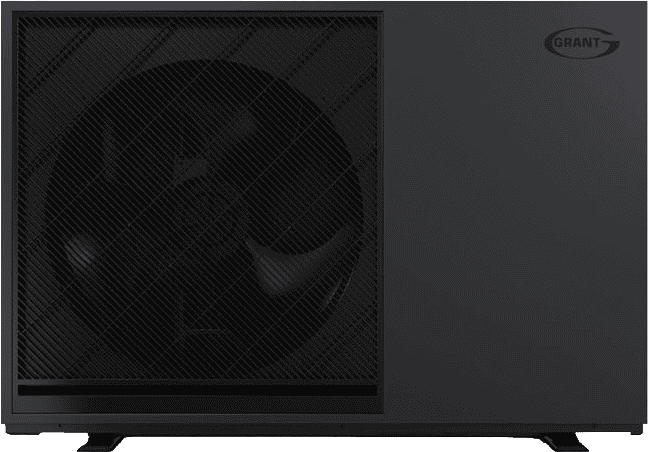
Home Energy Scotland no longer funds standard solar PV panels as a standalone measure for most owner-occupiers under the scheme. Heat pumps can receive grants of up to £7,500, and only renewable systems providing 100% heating are eligible for funding, with an optional interest-free loan of up to £7,500 subject to eligible costs. A rural uplift can increase the heat-pump grant by £1,500. Eligible homes can receive a £1,500 rural uplift, and some rural households can claim up to £18,000 in total grant support.
You do not need to receive benefits to qualify, as eligibility depends on the scheme rules rather than benefits alone. Funding is first-come, first-served, subject to budget availability and a written funding offer. Applications remain valid for nine months from the funding offer. Loan applications are subject to affordability and credit checks and an administration fee.
Source: Home Energy Scotland – Home Energy Scotland Grant and Loan.
The Smart Export Guarantee (SEG)
The Smart Export Guarantee requires qualifying energy suppliers to pay tariffs for surplus electricity exported to the grid by eligible small-scale generators, including households with solar PV.
Electricity suppliers with at least 150,000 domestic electricity customers are mandatory SEG licensees and must offer SEG payments to eligible generators. Smaller licensed suppliers can participate voluntarily. Export tariff rates and terms vary between suppliers.
Solar therefore has two potential financial benefits: using generated electricity in the home can significantly lower reliance on grid electricity by letting households use more of their own electricity before exporting any eligible surplus, which can then earn export payments.
Source: Ofgem – Smart Export Guarantee.
ECO4 Scheme
The Energy Company Obligation (ECO4) is a UK Government energy-efficiency programme under the eco grant scheme aimed at eligible households, particularly lower income households and less energy efficient properties. ECO4 can provide 100% grant funding for eligible households, depending on the home, heating setup and assessment outcome. Solar panel installation can be an eligible measure under the eco scheme in specified circumstances, but it is not available to everyone and eligibility can depend on household income, benefits, property type and energy performance, with some energy-efficient grants available based on income or property type criteria.
Household, property, heating-system and project requirements apply. Ofgem’s current guidance reflects the extension of ECO4 to 31 December 2026.
Source: Ofgem – ECO4 Delivery Guidance.
Local Authority and ECO4 Flex Support
Some households may be able to access targeted energy-efficiency support through local authority programmes or ECO4 Flex, but local help is only one route and separate funding options also exist for homeowners, businesses and community projects. Community groups may also be able to access grants and loans for renewable energy projects, including solar installations, through CARES. Availability and eligibility vary by area and household circumstances.
Homeowners should check Home Energy Scotland’s Funding Finder and their local authority to find current area-based and community funding routes rather than assuming a particular grant is available.
Source: Home Energy Scotland – Find Funding / Funding Finder.
Greener Energy Group Finance Options
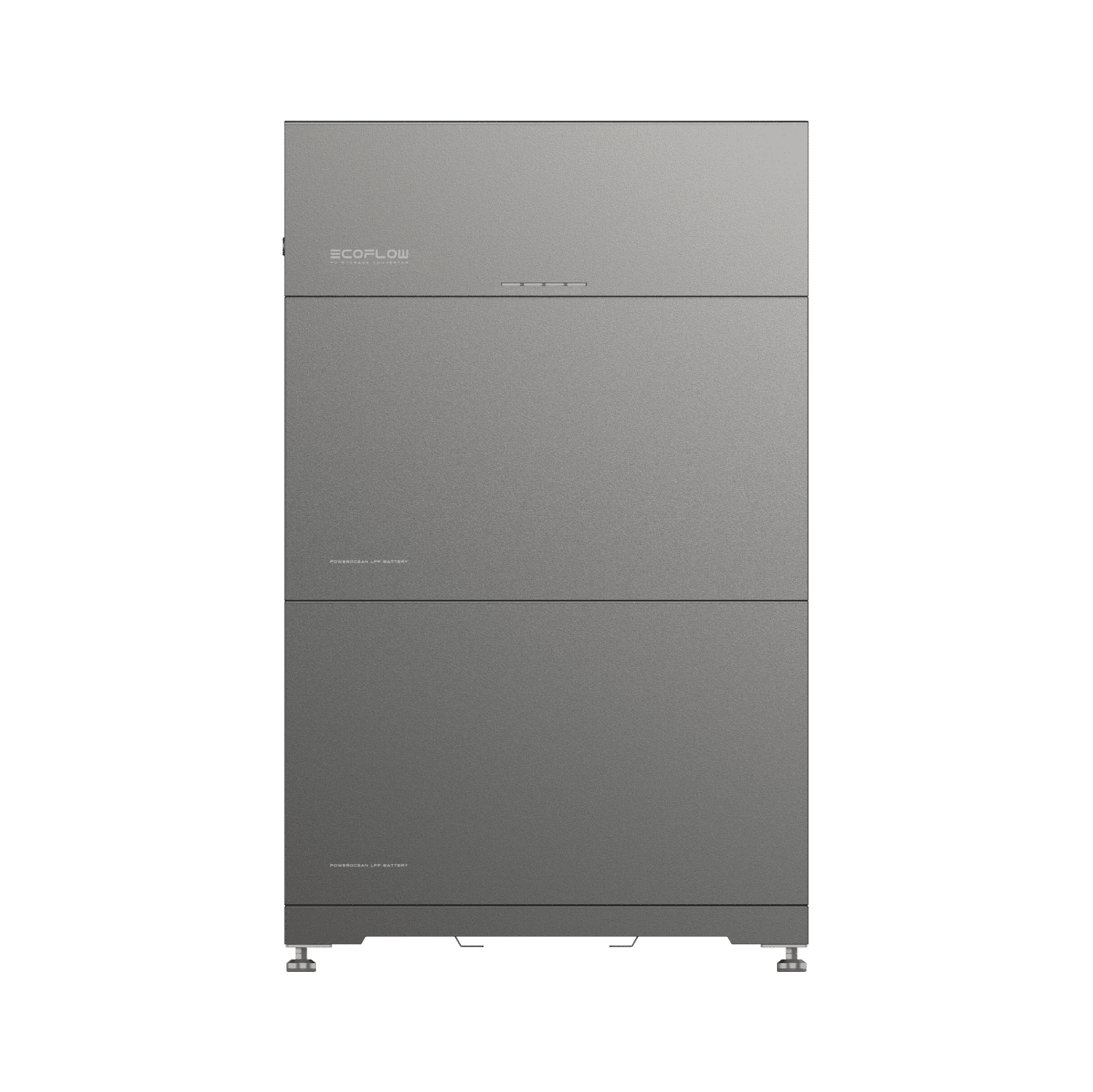
For homeowners who do not qualify for solar grants or free solar panels, Greener Energy Group can provide access to finance for a solar and battery system that helps spread the upfront cost. The battery system stores surplus daytime generation for later use, which can help cut imported electricity and lower energy bills.
How Much Could Solar Panels Save in Scotland?
There is no single annual saving figure that is accurate for every Scottish household. A typical solar PV installation may generate around 3,000 kWh a year, although actual output varies by property and system design. Actual savings depend on system size and generation, roof orientation and shading, household electricity consumption, how much solar electricity is used in the home, whether battery storage is installed, electricity import prices and the export tariff received. Some installations can reduce electricity bills by up to 70%, but results depend heavily on daytime usage, export pattern and system specification.
Greener Energy Group’s approach is to provide each customer with a personalised system design and performance estimate showing bespoke projected savings and payback. This helps households understand how green energy from their roof can lower bills, and solar power can also help cut carbon emissions, with some homes saving about one tonne of carbon a year.
Does Scotland Get Enough Sun for Solar Panels?
Yes. In the Scottish climate, solar panels work because solar panels generate electricity from daylight, not only direct sunshine. Solar PV systems in Scotland can generate nearly the same electricity as systems elsewhere in the UK, although output still depends on location, orientation, shading and design. They can continue to generate on cloudy days, and that electricity can be used in the home, including for electric heating, with excess potentially stored in solar batteries if installed.
Important Information
All savings, generation and payback figures are estimates and are not guaranteed. Actual performance and financial savings depend on factors including the property, system design, orientation, shading, household electricity consumption, energy tariffs, export rates and how electricity is used within the home. Funding schemes, eligibility criteria, finance products and tariff rates can change and should be checked before making a financial decision.