
Menu
Menu
If you’re thinking about making the switch to solar energy, one of the first questions you’ll want answered is: how much do solar panels actually cost? The answer depends on a number of factors, but the good news is that solar panel prices have fallen dramatically over the past decade — and with energy bills at record highs, there’s never been a better time to invest.
The cost of a solar panel system in the UK is primarily determined by the size of the installation. As a general guide:
Most homes require a system of between 10 and 16 panels to meaningfully offset their electricity usage. A qualified solar installer will assess your energy consumption, roof space, and orientation to recommend the most cost-effective system for your home.
A full solar panel installation quote should include:
The panels themselves — the photovoltaic (PV) modules that capture sunlight and convert it to electricity. Panel quality and efficiency ratings vary between manufacturers, so it’s worth ensuring you’re getting a proven, high-performance product.
An inverter — solar panels generate direct current (DC) electricity, while home appliances run on alternating current (AC). An inverter converts the energy so it can be used around your home. The type of inverter chosen can affect both performance and cost.
Mounting and racking — the hardware used to safely fix panels to your roof.
Installation labour — professional fitting by accredited engineers, which typically takes one to two days for a standard home installation.
System monitoring — most modern installations include monitoring software so you can track your energy generation and usage in real time.
Always ensure your quote is fully itemised so you know exactly what is included before committing.
Beyond system size, several other variables can influence the final price of your installation:
Roof type and complexity: A straightforward pitched roof is the simplest and most cost-effective installation. Flat roofs, complex layouts, or roofs requiring additional structural work may add to the overall cost.
Panel efficiency: Higher-efficiency panels generate more electricity from the same amount of light, but typically come at a premium. In many cases, investing in better panels reduces the number required and delivers stronger long-term returns.
Inverter type: Standard string inverters are reliable and cost-effective. Microinverters or power optimisers — which are fitted to each individual panel — can improve performance on roofs with partial shading but carry a higher upfront cost.
Location: Labour costs can vary slightly by region across the UK.
Scaffolding: Most installations require temporary scaffolding, which should be included in your quote.
The cost of solar panels needs to be weighed against the long-term savings they deliver. A typical medium-sized system can save a household between £500 and £1,000 per year on electricity bills, depending on usage patterns, system size, and whether a battery is installed.
Over a system’s 25-year lifespan, that adds up to savings of £12,500–£25,000 or more — significantly outweighing the initial installation cost for most homeowners.
Adding a battery storage system to your solar installation is one of the best ways to maximise the value of your investment. Solar panels generate the most electricity in the middle of the day, often more than a household uses at that time. Without a battery, that surplus energy is exported to the grid. With one, it’s stored for use in the evening when your panels aren’t generating.
A solar battery typically adds £2,000–£4,000 to the cost of an installation, but increases the proportion of your own solar energy that you actually use from around 30% up to 85%. For many households, the addition of a battery significantly accelerates the payback period.
The Smart Export Guarantee (SEG) means that any solar electricity you don’t use and don’t store can be sold back to the national grid. All major energy suppliers are required to offer an export tariff, providing an ongoing income stream on top of your bill savings.
Rates vary between suppliers, so it’s worth comparing tariffs to ensure you’re getting the best deal on the energy you export.
Concerned about the upfront cost? At Greener Energy Group, we offer flexible funding options so that more homeowners can access the benefits of solar without delay:
Scottish homeowners may also be eligible for the Home Energy Scotland Loan — an interest-free government-backed loan of up to £15,000, with cashback of up to £2,500 available for eligible installations.
The payback period for solar panels in the UK typically ranges from 8 to 12 years, depending on system size, energy usage, export tariff rates, and whether a battery is included. With panels lasting 25 years or more and requiring very little maintenance, most homeowners enjoy over a decade of essentially free electricity once their system has paid for itself.
Solar panels also add an estimated 4% to the value of your home, meaning that even if you sell before the payback period is complete, you’re likely to recoup a significant portion of your investment through the increased sale price.
Greener Energy Group have been helping homeowners across Scotland reduce their energy bills and carbon footprint for over 30 years. As one of the UK’s leading solar panel installers, we pride ourselves on award-winning products, expert installation, and outstanding customer service.
When you choose us, you benefit from:
The best way to find out exactly how much solar panels would cost for your home is to speak to one of our experts. We’ll assess your property, energy usage, and budget to provide a fully tailored quote with no obligation.
Get in touch with Greener Energy Group today:
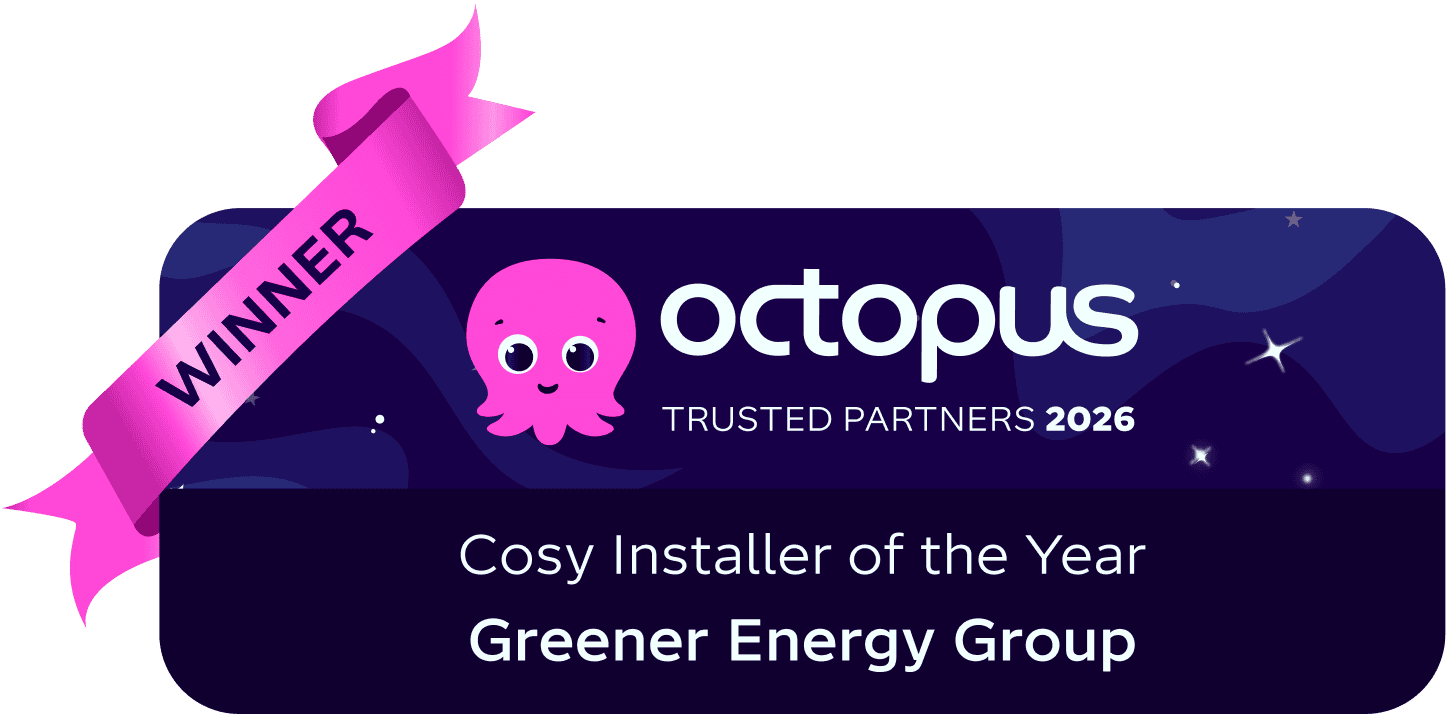
Proud to be named Cosy Installer of the Year 2026 with Octopus Energy.