
If you’re thinking about making the switch to solar energy, one of the first questions you’ll probably have is: how much do solar panels cost?
The answer depends on a number of factors, including the size of the system, the type of panels and inverter, the complexity of your roof and whether you choose to add battery storage.
The important thing is to look beyond the upfront price and consider the system’s expected generation, how much of that electricity you could use yourself, potential export payments and the estimated long-term return.
How Much Do Solar Panels Cost in the UK?
The cost of a solar PV system depends on its size, specification and the individual property.
Rather than relying on generic online prices, the most accurate way to establish the cost is through a home assessment that considers:
- Your annual electricity consumption
- Available roof space
- Roof orientation, pitch and shading
- The number and output of panels that can be installed
- Your choice of inverter
- Whether battery storage is included
- Scaffolding and installation requirements
A properly designed quotation should show not only what the system costs, but also its expected annual generation and estimated financial performance.
What Does the Cost of Solar Panels Include?
A full solar panel installation quote should clearly explain what is included.
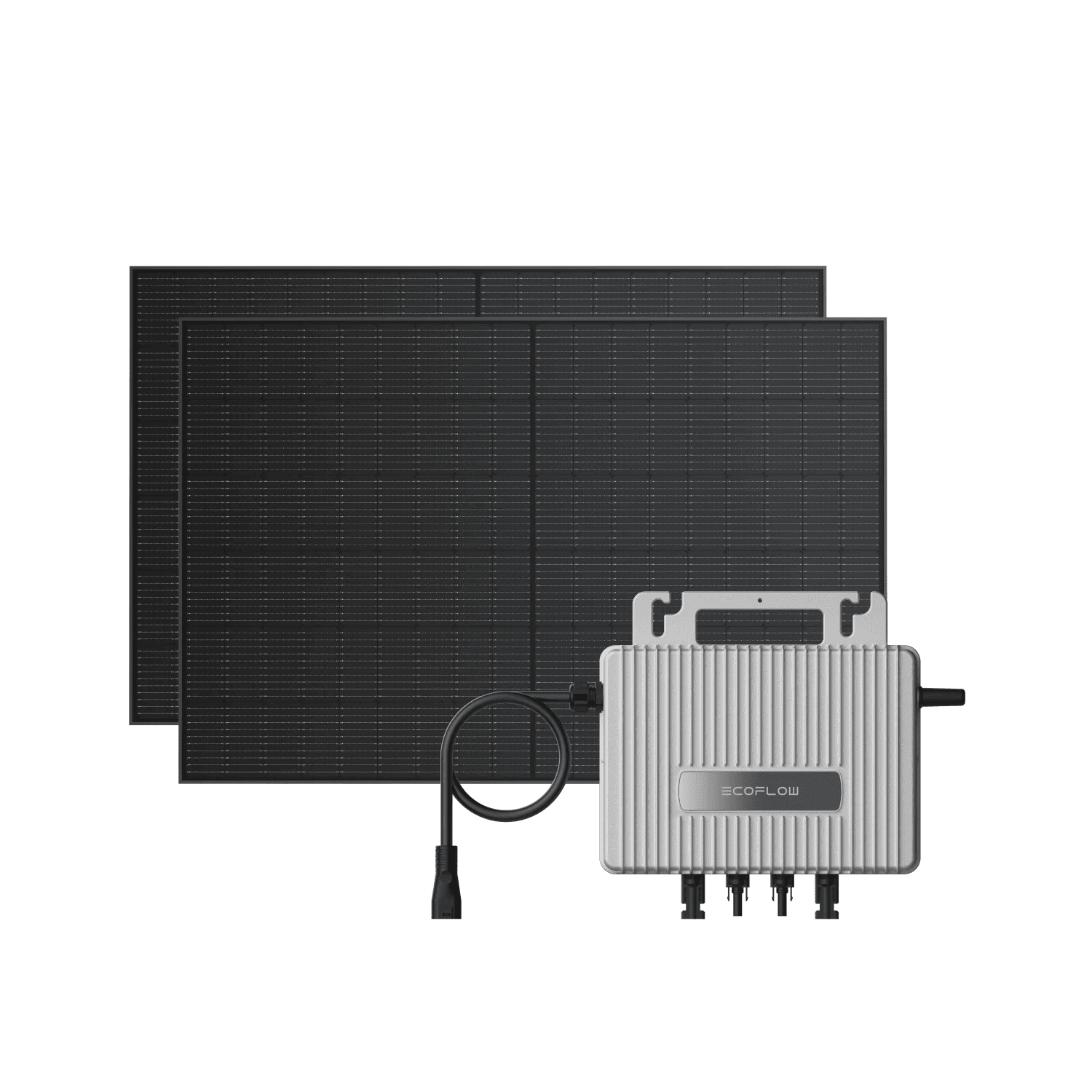
Solar panels – the photovoltaic (PV) modules that convert sunlight into electricity. Panel efficiency, output and warranties vary between manufacturers.
Inverter – solar panels produce direct current (DC) electricity, while household appliances use alternating current (AC). The inverter converts the electricity into a form that can be used around your home.
Mounting system – the equipment used to securely attach the panels to your roof.
Installation – the electrical and roofing work required to safely install and commission the system.
Scaffolding – where required for safe access to the roof.
System monitoring – many modern solar systems provide an app or online monitoring platform, allowing you to see how much electricity your system is generating.
Certification and handover documentation – where applicable, your installer should provide the relevant certification and information you need following installation.
Always make sure you understand exactly what is included when comparing quotations, as the cheapest headline price may not always represent the best overall value.
What Factors Affect Solar Panel Costs?
Several factors can influence the final cost of your solar installation.
System size: A larger solar array requires more panels and equipment but can generate more electricity where the property has sufficient suitable roof space.
Roof type and complexity: A straightforward pitched roof can be simpler to install on than a roof with multiple elevations, obstructions or more complex access requirements.
Panel specification: Higher-output and higher-efficiency panels can generate more electricity from a limited amount of roof space, but product specifications and prices vary.
Inverter and optimisation: The inverter selected will depend on the system design. Some properties may also benefit from optimisers or other technology, particularly where shading or different roof orientations need to be considered.
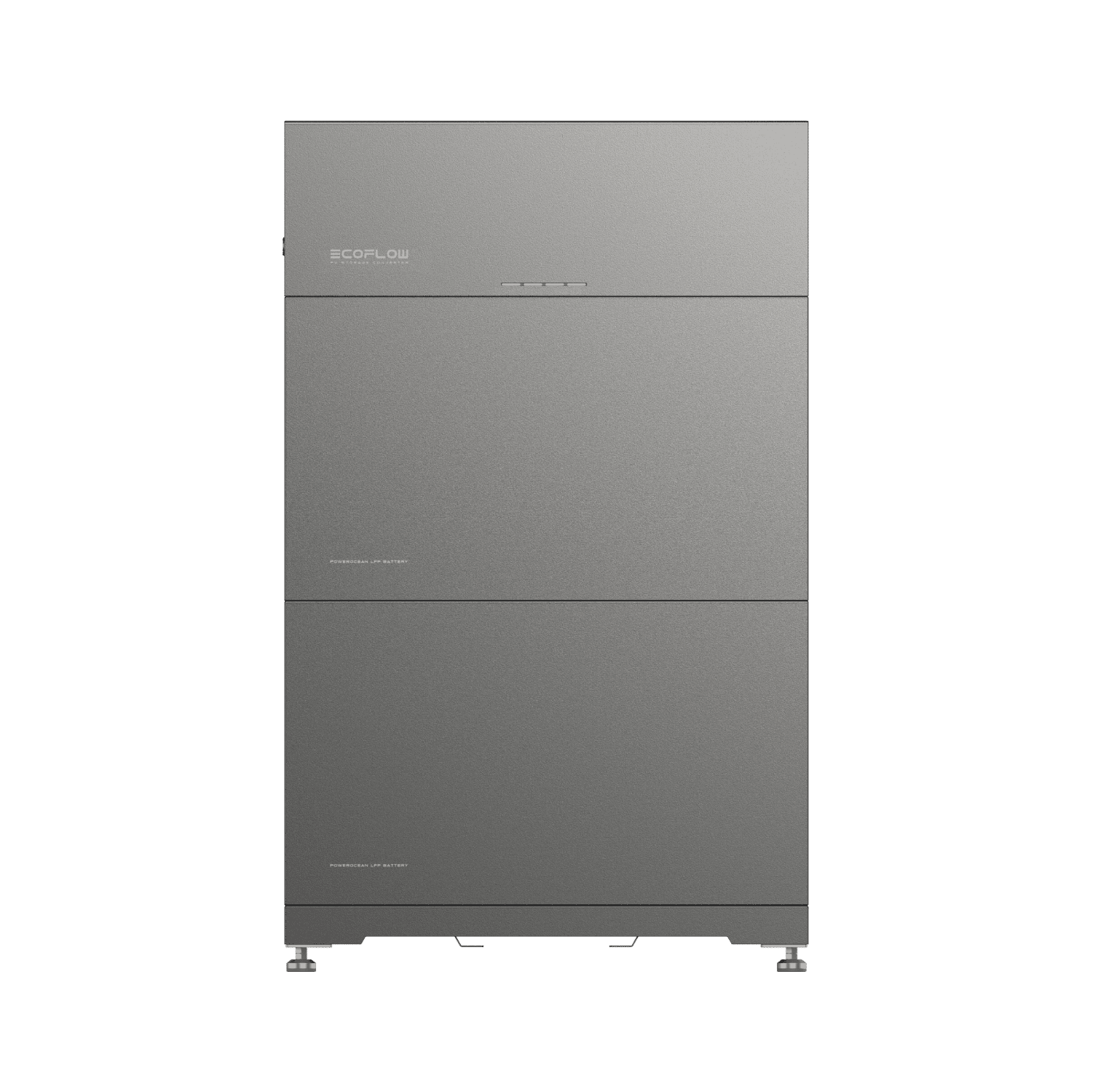
Battery storage: Adding a battery increases the upfront cost but allows more of the electricity generated by your solar panels to be stored for use later.
Scaffolding and access: The type and extent of scaffolding required will depend on the property.
How Much Can Solar Panels Save You?
There isn’t one savings figure that will be accurate for every household.
The amount you could save depends on factors including:
- The size and expected generation of your solar PV system
- Where you live
- Roof orientation and shading
- Your household electricity consumption
- How much solar electricity you use within your home
- Whether you have battery storage
- Your electricity import tariff
- Your export tariff
- How your electricity usage changes in the future
Should You Add a Solar Battery?
Battery storage can allow you to make greater use of the renewable electricity generated by your solar panels.
Solar panels often generate electricity during the daytime when household consumption may be relatively low. Without a battery, surplus electricity can be exported to the grid. A battery allows some of this surplus generation to be stored and used later, for example during the evening.
This can increase the proportion of your own solar-generated electricity that you use within your home and reduce the amount of electricity you need to purchase from the grid.
The level of self-consumption achieved will vary significantly depending on the size of the solar PV system, battery capacity, household electricity consumption and when electricity is used.
A correctly sized battery should be selected based on your expected solar generation and household consumption rather than simply choosing the largest battery available.
Earning Money From Surplus Electricity: The Smart Export Guarantee
Electricity generated by your solar panels that you don’t use or store can potentially earn you money when it is exported to the grid.
The Smart Export Guarantee (SEG) is a government-backed scheme under which qualifying electricity suppliers pay eligible small-scale generators for electricity exported to the grid.
Suppliers with at least 150,000 domestic electricity customers are mandatory SEG licensees and must offer SEG payments to eligible generators. Smaller suppliers can choose to participate voluntarily.
SEG suppliers determine their own tariff rates and terms, so export payments vary. Homeowners should therefore compare available export tariffs.
Source: Ofgem – Smart Export Guarantee.
Finance Options: Making Solar More Affordable
The upfront cost of solar doesn’t necessarily have to be paid all at once.
At Greener Energy Group, we can offer a range of finance options, subject to status, affordability, lender approval and the terms of the individual finance product.
What About Home Energy Scotland Funding?
It is important to be clear about the current funding position.
The Home Energy Scotland Grant and Loan does not currently list standard solar PV as a standalone eligible measure for owner-occupiers.
Current Home Energy Scotland funding does include interest-free loan support of up to £5,000 for solar thermal and eligible hybrid solar PV/water-heating systems, subject to the scheme’s eligibility criteria and available funding.
Home Energy Scotland also provides grants and loans towards other eligible measures, including heat pumps and energy-efficiency improvements.
Funding schemes and eligibility can change, so homeowners should check directly with Home Energy Scotland for the latest position.
Source: Home Energy Scotland – Home Energy Scotland Grant and Loan.
How Long Until Solar Panels Pay for Themselves?
Payback depends on the cost and performance of your system, your electricity consumption, how much generated electricity you use yourself and the amount you receive for exported electricity.
For Scotland, Energy Saving Trust’s current figures provide a useful independent benchmark.
Based on July 2026 energy prices, a typical solar PV installation in Stirling has an estimated payback period of approximately 11–12 years when export payments are included, depending on when electricity is used within the home.
Solar panels can continue generating electricity beyond their estimated payback period, although actual system performance, maintenance requirements, component life and future electricity and export prices will affect the overall financial return.
Source: Energy Saving Trust – Solar panels: costs, savings and benefits explained.
Could Solar Panels Make Your Home More Attractive to Buyers?
There is evidence that energy efficiency and renewable technologies are becoming increasingly important to homebuyers.
Rightmove’s 2025 Greener Homes Report found that 30% of people surveyed believe green upgrades add value to their home, while 19% believe adding green technology makes a property more attractive to future buyers.
The actual impact on an individual property’s value will depend on many factors, including its location, condition, energy efficiency, ownership of the solar system and local housing market.
We therefore prefer to say that solar panels may make a property more attractive to energy-conscious buyers and could contribute positively to its value, rather than promising a specific percentage increase.
Source: Rightmove – 2025 Greener Homes Report.
Why Choose Greener Energy Group?
Greener Energy Group has helped thousands of homeowners make the switch to renewable energy, with over 6,000 installations completed.
When you choose us, you benefit from:
- High-quality solar panels and components
- Experienced, accredited installation teams
- Comprehensive product and workmanship warranties
- Flexible finance options, subject to status and eligibility
- A free, no-obligation home assessment
- Personalised system design and performance estimates
- Support before, during and after your installation
We’ll assess your property and electricity usage before recommending a system, helping you understand the expected generation, potential savings and estimated financial return before you make a decision.
Your Next Step – Get a Bespoke FREE Home Survey
Every home and household is different, which is why the best way to understand whether solar is right for you is to arrange a FREE, no-obligation home survey.
One of our experienced advisors will assess your property, current electricity usage and individual requirements to recommend a system designed around your home and the way you use energy.
Following your survey, we can provide you with:
- A bespoke solar and battery system design for your property
- Your exact installation cost, with a clear breakdown of what’s included
- Your system’s projected annual electricity generation
- Personalised projected savings, based on your household’s energy usage and the proposed system
- An indication of potential Smart Export Guarantee (SEG) income
- An estimated payback period based on the assumptions used
- Suitable battery storage options, where appropriate
- Details of available finance options
This gives you a much clearer picture of the potential costs, savings and benefits based on your home and your energy needs, rather than relying on generic online estimates.
Your survey is completely FREE and there’s no obligation to proceed.
Important Information
All generation, savings and payback figures are estimates and are not guaranteed. Actual performance and financial savings depend on factors including system design, location, roof orientation, shading, household electricity consumption, energy tariffs, export rates, battery capacity and how electricity is used within the home. Energy prices, export tariffs and funding schemes can change over time.